Yuyang Jiancai Technology (Tianjin) Co., Ltd.


How to Choose Polycarbonate Sheets for Building Projects
Choose polycarbonate sheets by translating the building's requirements into a shortlist, then checking the evidence for each candidate. Starting with a preferred thickness or colour can hide more important installation constraints.
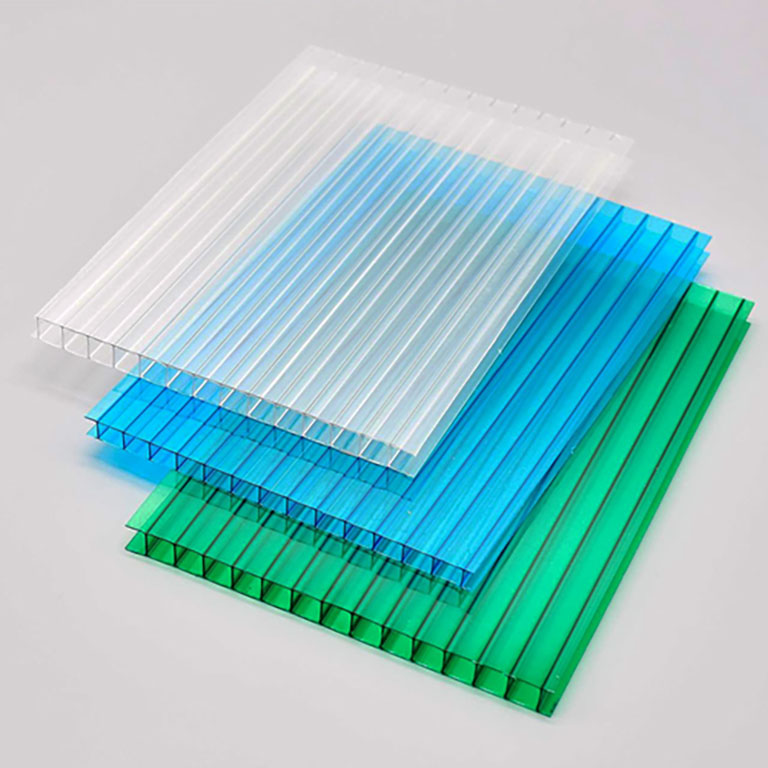
Define the project before the product
Record whether the panel is used in a roof, wall, partition or other assembly. Identify exposure, support layout, appearance needs and the performance requirements established by the project team. Separate preferences, such as colour, from conditions that determine whether an assembly is acceptable.
Shortlist and verify
Compare solid, multiwall and corrugated options against those requirements. Ask for the current datasheet, relevant test documentation and installation details for each proposed product. The structural reviewer should establish design loads and supports; the supplier should explain which documented product configuration is being offered.
Build a requirements-to-evidence worksheet
Before asking for a recommended product, list what the building requires and who will confirm it. A requirement such as a particular appearance can be assessed with a sample. A structural or approval requirement needs the relevant technical evidence and responsible review. Keeping these categories separate prevents a pleasing sample from becoming an unintended approval of the entire assembly.
| Decision | Information to provide | Evidence to request |
|---|---|---|
| Roof or wall system | Location, drawings, exposure and intended function | Applicable system details and scope of use |
| Panel and supports | Design loads, spans and support arrangement | Product-specific data reviewed against the design |
| Daylight and appearance | Clear view, diffusion, colour and privacy goals | Identified samples and relevant optical information |
| Project approvals | Requirements established by the project team | Reports applicable to the offered product or assembly |
| Installation and maintenance | Access, interfaces and replacement needs | Current installation and care instructions |
Keep the shortlist conditional until the evidence matches
For each candidate, record confirmed requirements, declared deviations and open questions. A missing document should remain an open item, not become an assumed pass. If a supplier proposes an alternative family, ask what changes in the supports, connections and other project details. This shows whether the alternative is a genuine fit or requires a wider redesign.
Once the shortlist is technically coherent, compare the complete supplied scope. Include accessories, fabrication, inspection, packaging and delivery requirements. This separates the initial question of suitability from the later comparison of commercial offers, while giving both stages a common product definition.
A practical decision example
Imagine a project brief that asks for a clear roof but says nothing about supports. A useful first response is to obtain the roof drawing and design requirements, then shortlist panel systems. Choosing a thickness from appearance alone would leave the most important engineering question unanswered.
Key checks
- Create a requirement and evidence worksheet
- Assign an owner to every unresolved technical question
- Send drawings and quantities with the enquiry
Next step
The result should be a documented shortlist, not an unsupported statement that one panel suits every building. Use the selected configuration to prepare a detailed quotation request.
Review the polycarbonate product range and send the relevant drawings and requirements for a product-specific discussion.