Yuyang Jiancai Technology (Tianjin) Co., Ltd.


Choosing Solid Polycarbonate Sheet for Protective Glazing
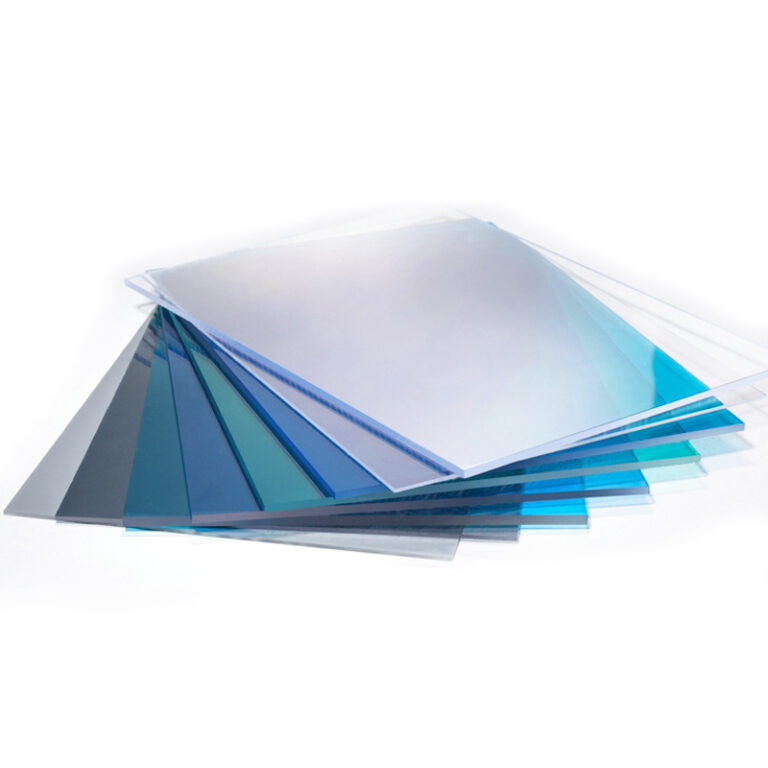
Protective glazing selection begins with the hazard or exposure that the barrier must address. A clear polycarbonate sheet is only one component of the finished protective assembly.
Specify the required protection
State the intended environment, visibility requirement and foreseeable contact or impact conditions. Ask the responsible safety or design reviewer to define the acceptance criteria. Do not infer ballistic, forced-entry or machine-guard approval from a general material description.
Assess retention and continued use
Review frame engagement, fixing details, access openings and replacement procedures. Cleaning agents, abrasion and service damage can affect suitability over time. Request maintenance and inspection instructions for the identified product and establish when damaged glazing must be evaluated or replaced.
A practical decision example
A viewing window in a public area and a machine enclosure window should not share a specification merely because both are protective glazing. Record the hazard and required evidence for each. The resulting brief may lead to different grades, assemblies or tests despite a similar transparent appearance.
Key checks
- Provide drawings and protection requirements
- Request evidence covering the relevant construction
- Record inspection and replacement responsibilities
Next step
Ask the supplier for a product-specific proposal with limitations clearly stated. Keep technical approval distinct from sample appearance approval and the commercial quotation.
Review the solid polycarbonate sheet information and send the relevant drawings and requirements for a product-specific discussion.