Yuyang Jiancai Technology (Tianjin) Co., Ltd.


Clear vs Opal Polycarbonate Panels: Light and Privacy
Clear and opal polycarbonate panels create different visual experiences, but colour labels alone are not enough to predict daylight or privacy. The useful comparison involves the exact product, its structure and the conditions in which it will be viewed.
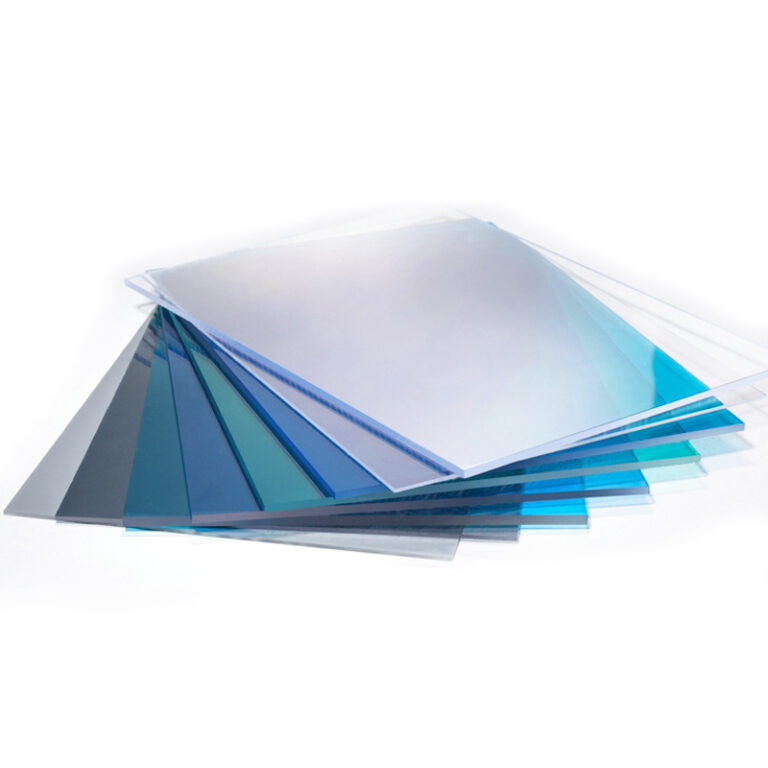
Separate light quantity from light distribution
Ask for product-specific optical information and clarify what each reported value describes. A panel can transmit light while changing how clearly objects are seen through it. Compare samples against the intended background and in both directions of illumination. For a building project, the lighting designer can relate the material data to the room or roof layout instead of treating a sample as a complete daylight study.
Define the privacy requirement
State whether the aim is to obscure objects, reduce glare or create a particular appearance. Bright lighting behind a partition can change silhouette visibility. The same finish may therefore behave differently in an office, roof or shelter. Confirm any additional thermal or approval requirements independently; colour does not establish those properties.
A practical decision example
A clear canopy over a display area and an opal cover over a waiting space may serve different visual goals. Write down the intended daylight and privacy outcome for each. Then compare exact products rather than assuming one colour is universally preferable.
Key checks
- Compare exact colours and constructions
- Review samples with realistic backlighting
- Document the intended privacy or daylight outcome
Next step
Approve the panel against a defined visual brief. Keep the sample identification with the order so that later deliveries can be checked consistently.
Review the frosted polycarbonate sheet information and send the relevant drawings and requirements for a product-specific discussion.