Yuyang Jiancai Technology (Tianjin) Co., Ltd.


Solid vs Multiwall Polycarbonate Sheets: Weight, Light and Insulation Trade-Offs
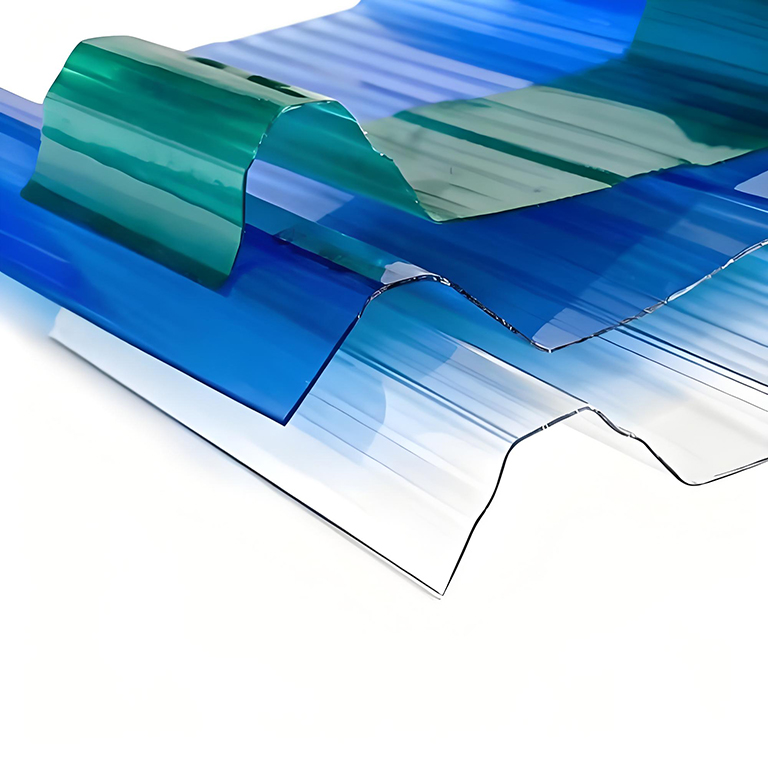
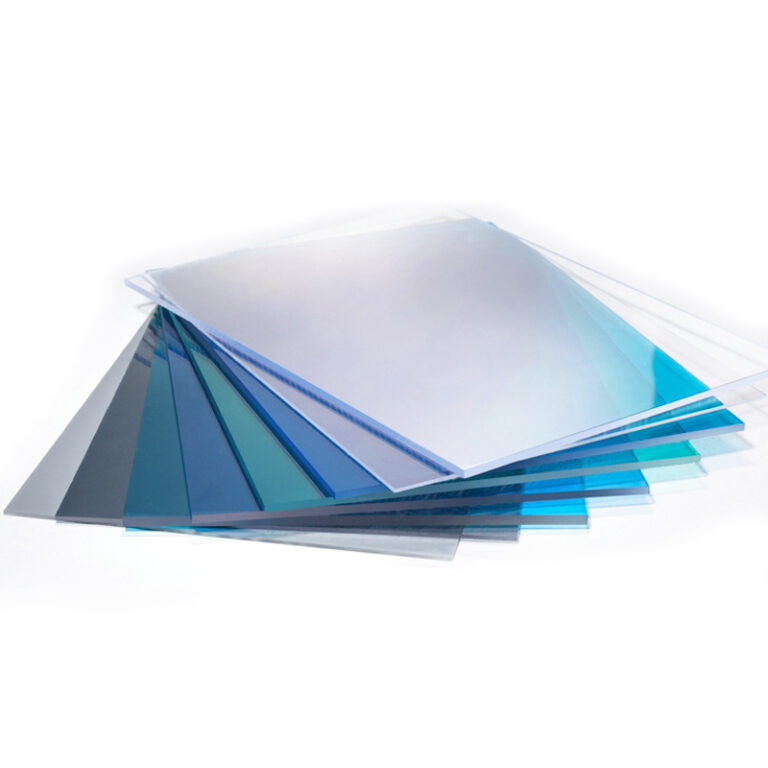
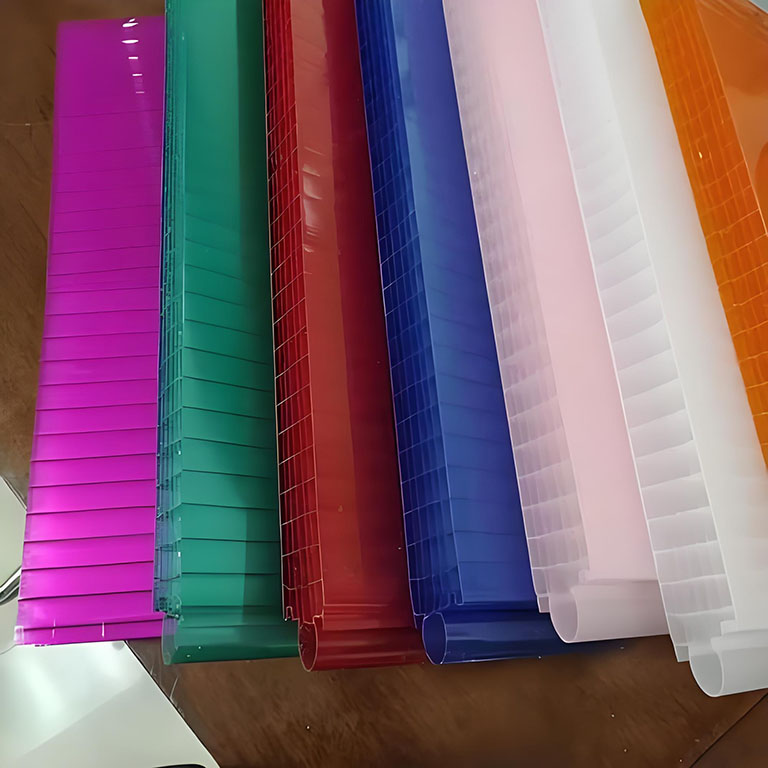
The useful distinction between solid and multiwall polycarbonate is how their different sections serve a project. Thickness alone does not create a fair comparison between a solid panel and a cellular one.
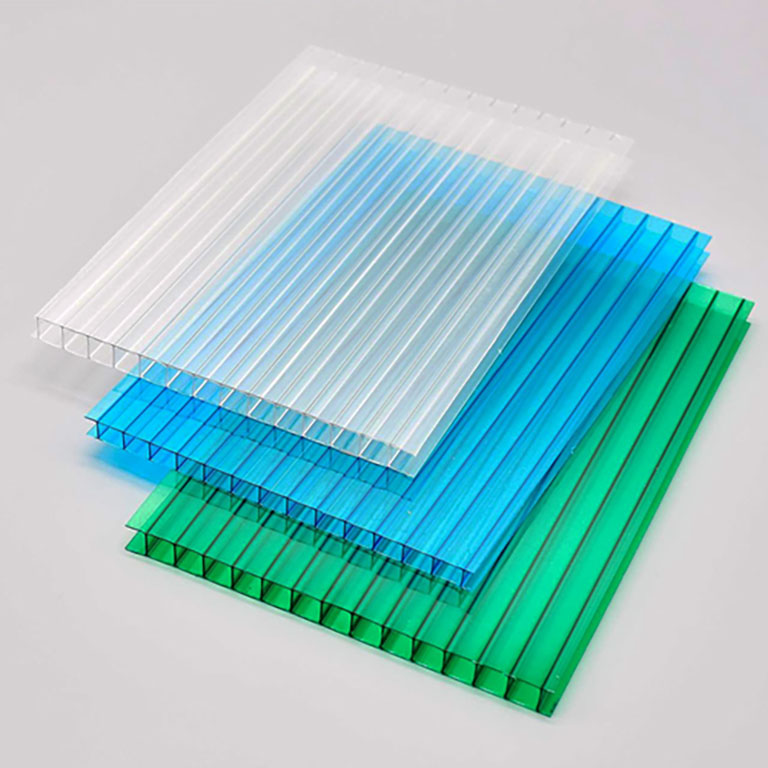
Compare weight and optical requirements
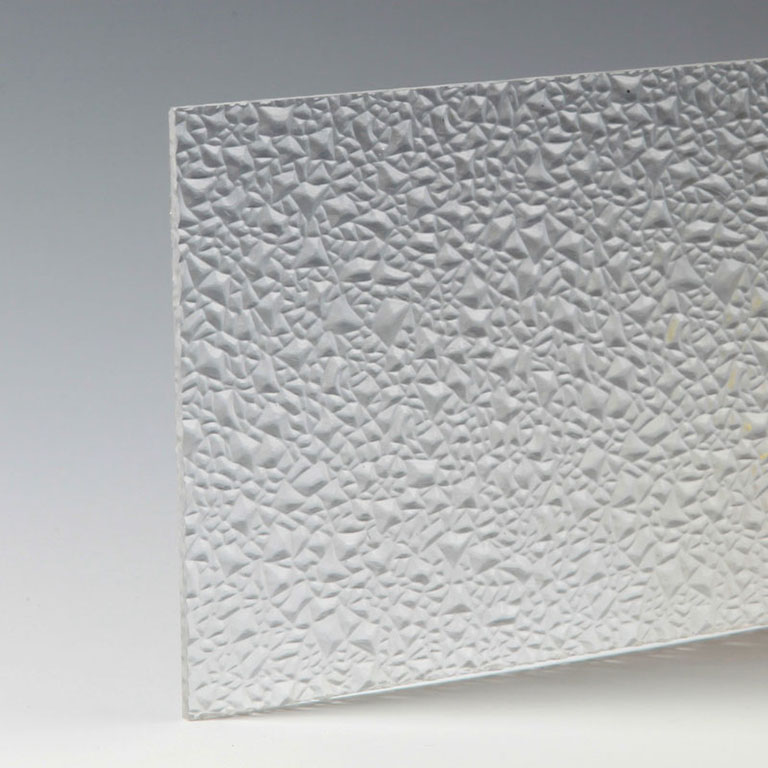
Ask for mass per unit area at the actual proposed thickness and structure. For glazing, distinguish a clear view through the panel from the amount and distribution of transmitted light. Internal ribs, surface treatment and colour can matter to appearance even when the nominal dimensions look similar.
Compare thermal performance at the same level
Request product-specific thermal values and establish whether they describe the sheet or the complete glazing assembly. Frames, joints and installation details also belong in the assessment. A favourable panel figure does not establish the performance of a finished roof. Keep span and support checks separate from the thermal comparison.
A practical decision example
Consider a buyer comparing two panels of the same nominal thickness. One quotation identifies a solid sheet; the other lists a cellular construction. Before comparing price, put mass, optical data, thermal-data basis and support details in separate columns. Matching thickness does not make those other characteristics equivalent.
Key checks
- Compare identified products rather than family averages
- Review physical samples under intended lighting
- Confirm the frame and joint assumptions behind performance data
Next step
Choose the option that satisfies the project's combined requirements. Avoid declaring either family universally superior across unrelated applications.
Review the multiwall polycarbonate sheet information and send the relevant drawings and requirements for a product-specific discussion.